

Context
Bind the repository, the API contract, and the rules for that product — a service, an app, or firmware.
The control plane for AI engineering
Name the surface: a backend service, an iOS or Android app, a browser product, or device firmware. That specialist already carries the compilers, tests, and contract checks. A person approves the change before release.

One platform · end to end
Context and tools belong to the specialist. Routing, secrets, and the approval gate stay with you.
Bind the repository, the API contract, and the rules for that product — a service, an app, or firmware.
Compilers, test runners, and scanners for that blueprint run in a sandbox. You do not wire each vendor by hand.
Allowlists, secret masking, and a spend cap follow the request. A fallback route is used when the primary is down.
Coverage, contract checks, and traces travel with the change. A person approves it before it merges or ships.
Specialized agents
Pick the specialist. The compilers, simulators, and contract checks for that job come with it.
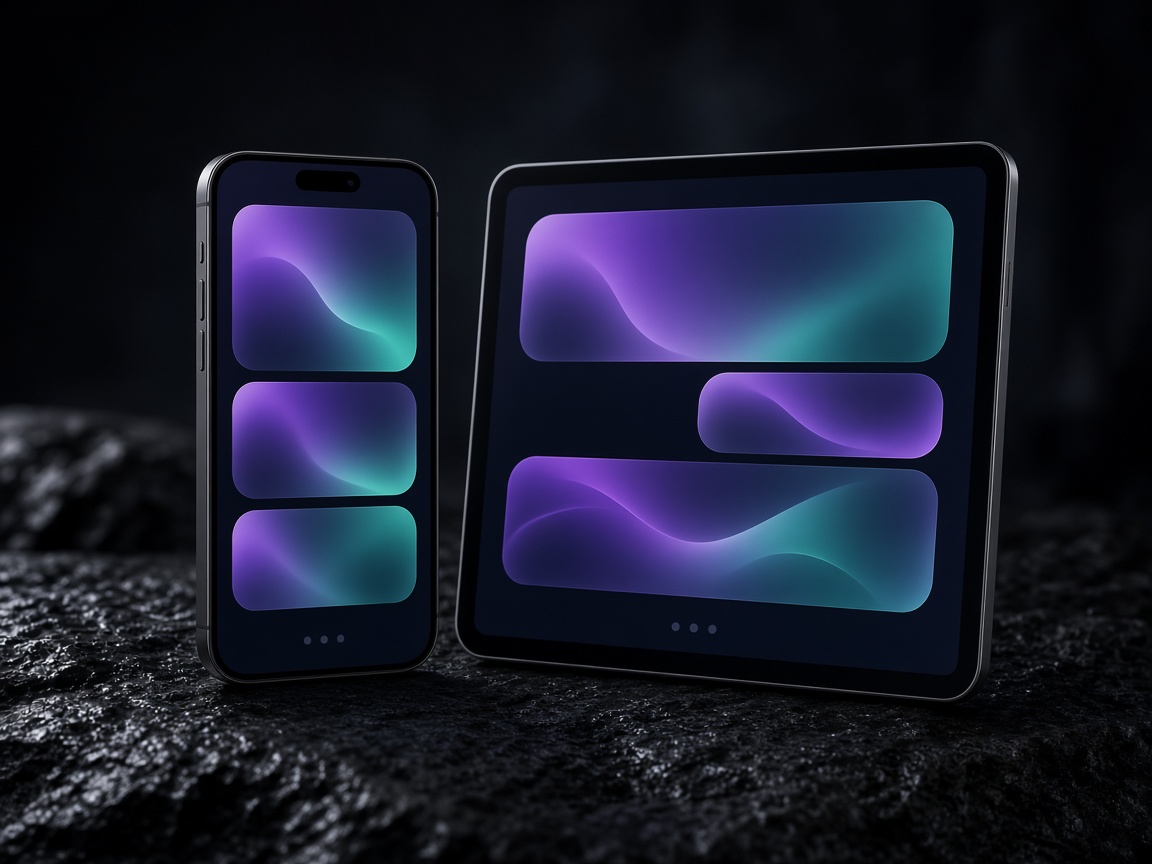
iOS · Android · React
SwiftUI and Jetpack Compose workflows. Simulator UI testing, accessibility trees, Playwright suites, and store packaging.

Java · Python · Go
Services with schema migrations, typed contracts, and Testcontainers. The toolchain for that repo is already on the blueprint.

C · C++ · Rust
FreeRTOS and Zephyr work in isolated zero-egress sandboxes, with hardware-in-the-loop simulation on the path to flash.
Incident triage, telemetry correlation, and rollback recommendations — with a person on the apply.
Canary verification, progressive delivery, and a mandatory human sign-off before production.
End-to-end suites, contract checks, and evidence that travels with the change.
Clarifies intent, locks the product brief, then delegates to the specialists who own each surface.
SPACE sandboxes
Compilers, tests, and scanners run inside Firecracker sandboxes. Network policy is explicit. Secrets are masked before they reach a model. The change comes back as evidence — not a vibe.
A person releases it
Agentica Hub is a coordination layer — not an autopilot onto production.
Chats stay per user. Public agents can be used; private ones stay yours. WorkOS or a local signed session — never email stored in the product database.
Allowlists, spend caps, and fallback models follow the request. The gateway is the only path a specialist takes to a provider.
Store submission, merge, and production apply wait for approval. The specialist prepares the change. You decide if it ships.
Early access
Tell us the surface you want to start with. We will follow up with a working session — not a generic demo reel.
This form stays on the page for local validation. Wire it to a Cloudflare Worker or form endpoint before public launch.
Questions
No. It is a coordination and governance layer across specialized agents and the model or tool integrations you already use. Compatibility is confirmed against your stack during discovery.
Specialists execute in isolated SPACE microVMs when a sandbox token is configured. Compilers and tests stay off the operator’s laptop. Linux with KVM, or a remote SPACE API, is required for that path.
Yes. Shared Kubernetes, an isolated tenant VPC, or air-gapped on-prem are all in the deployment model. Bring your own cloud is the default enterprise conversation.
A person. Passing tests are evidence attached to the change. Merge, store submission, and production apply wait for approval.